Trust in pensions higher among those with perceived high social status
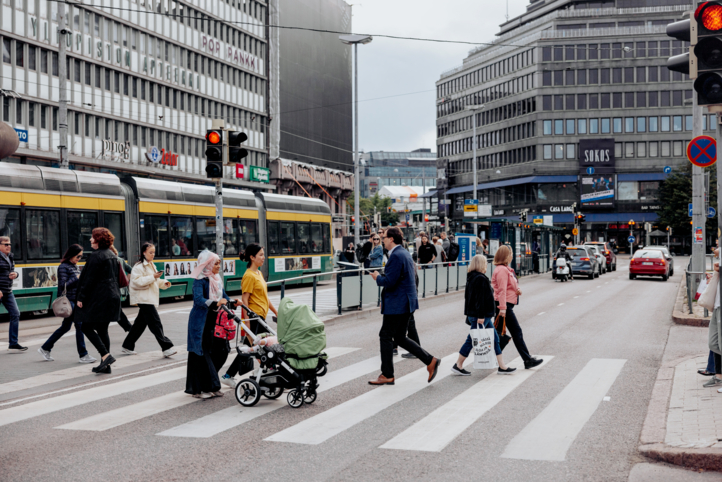
Finns’ trust in the Finnish earnings-related pension system varies according to their perceived social status. A study conducted by the Finnish Centre for Pensions found that Finns’ trust in pensions falls can be categorised into three distinct groups.
Respondents to the survey were classified into three groups based on their level of trust in the earnings-related pension system:
- Neutral (46%): Most members of this group have a moderate level of trust in the system. They are neither strongly trusting nor strongly critical of the pension system.
- Critical (30%): This group is sceptical about the adequacy of pensions and the sustainability of the pension system.
- Trusting (24%): Those in this group are confident in the governance and sustainability of the pension system and have few concerns about its future prospects.
Perceived higher social status linked to higher trust in the pension system
The study shows that those who perceive themselves to have a high social status are more likely to view the pension system as trustworthy, fair and clear. They also tend to be more optimistic about pensions guaranteeing a reasonable standard of living now and in the future.
According to senior researcher Liisa-Maria Palomäki of the Finnish Centre for Pensions, the results cannot be explained by, for example, a higher income or educational level, but explicitly by social status.
“However, those who perceive their status to be low or fairly low are more often critical towards the pension system. The difference is particularly evident in confidence in the management of pension funds and the functionality of the pension system”, Palomäki states.
Political orientation less influential
Political orientation along the left–right spectrum has less impact on views about pensions than social status does. It mainly distinguishes respondents in terms of their perceptions of the fairness of the pension system and whether current pensions are adequate.
Respondents who identified with the left were more likely to perceive the pension system as unfair and felt that current pensions do not provide pensioners with a reasonable standard of living. In contrast, those who identified with the right were more concerned about the financial contribution burden placed on younger generations.
“Overall trust in the pension system, the management of pension funds, and the functionality of the system does not vary according to political orientation”, Palomäki explains.
Most perceive themselves to have at least a fairly high social status
- Most respondents to the Finnish Centre for Pensions’ survey assessed their social status as fairly high or high. Approximately three out of four considered themselves to be in the upper half of the societal status scale. Fewer than one in ten perceived their social status to be clearly low.
- Politically, the largest proportion of respondents placed themselves near the centre. Very few placed themselves at the extremes, either clearly to the left or clearly to the right.
- The study is based on a questionnaire survey conducted by the Finnish Centre for Pensions in 2024, with a total of 1,600 working-age respondents.
Research publication:
Relationship between social status, political orientation and trust in the pension system (summary in English)
Research findings on trust in the pension system are presented in the section Findings from our research